Skip to main content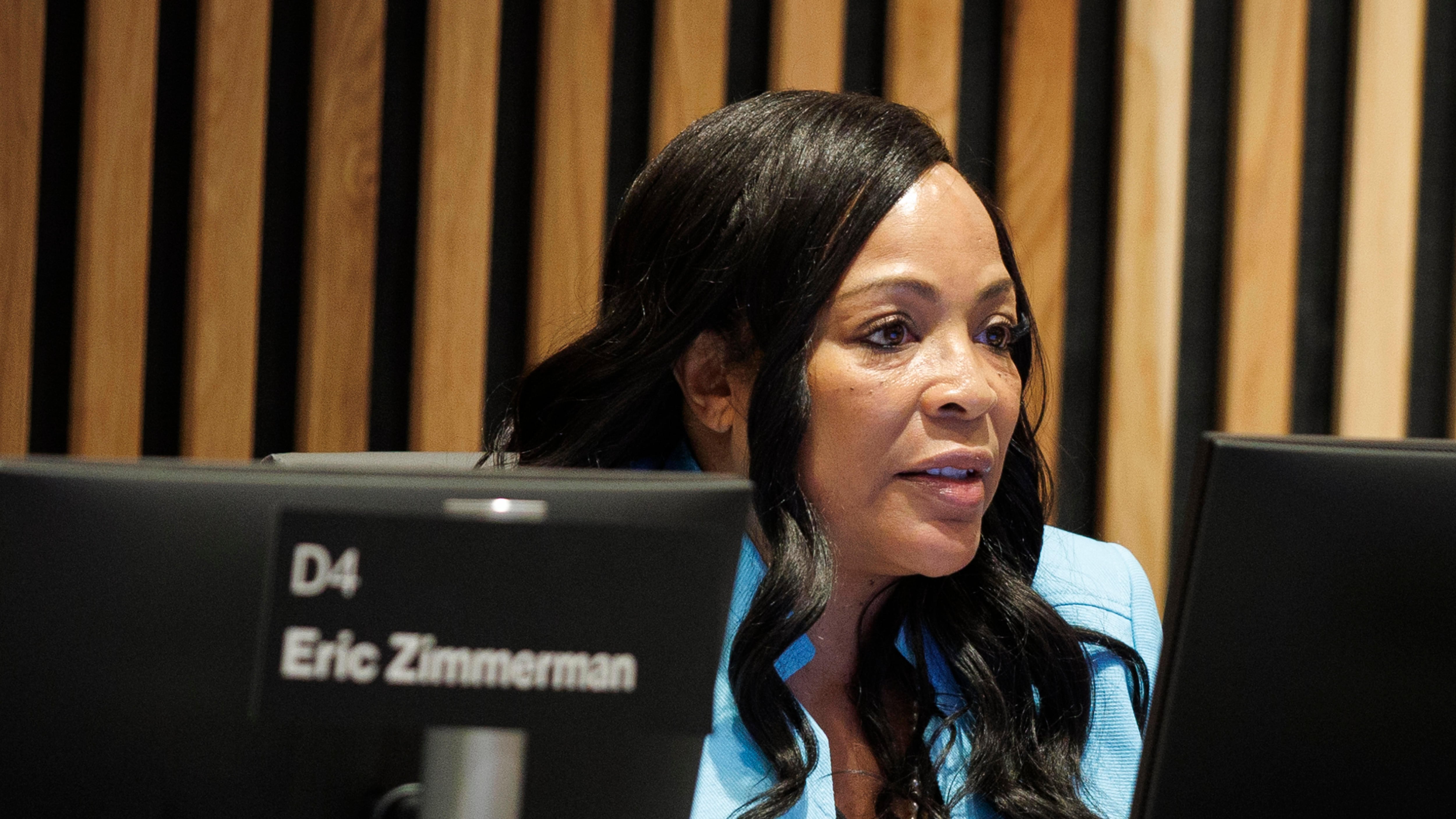
The Portland City Council passed an ordinance on Wednesday to give two Black-led nonprofits a total of $2.5 million toward their efforts to build affordable housing in North and Northeast Portland.
Self Enhancement Inc. will receive $1.5 million for a project that aims to build 49 affordable homes in what was once East Vanport, the working-class neighborhood devastated by a 1948 flood that displaced hundreds of Black families.
Williams & Russell CDC will receive $1 million for a project that seeks to build 20 townhomes and 85 affordable apartments in Albina, another historically Black neighborhood emptied by city policies.
The $2.5 million will serve as gap funding for both projects; the total cost of the two projects is much higher.
The council took months to decide on whether and how to fund the two projects. The money will come from the construction excise tax subfund, which was established in 2016 to fund affordable housing initiatives. The policy, which passed 10–2, was principally championed by District 1 Councilor Loretta Smith.
“I am very proud of this ordinance,” Smith said Wednesday. “I know the biggest thing that got me out of poverty raising a young son was my first purchase of a home. And that’s where it starts.” The policy will “give others who look like me or in underserved communities the same opportunity that I had,” she said.
One of the ordinance’s major goals is to combat historical disparities in white and Black homeownership rates. Sahaan McKelvey, SEI’s director of advocacy and engagement, told the council on May 27 that the project’s goal is build homes that are affordable to Black Portlanders who could not otherwise buy a home.
Nationwide, the white homeownership rate was 73.8% in late 2023, while Black homeownership was only 45.9%.
As you zoom into Oregon and Portland, the disparities increase. Sixty-seven percent of white Oregonian households owned a home in 2023. Only 30% of Black households did, according to national census data. Because only about 6% of Portlanders are Black, homeownership rates for Black Portlanders are harder to measure accurately. But the city has said the rate sits between 25% and 28%, compared to 55.8% for white Portlanders.
The ordinance is also meant to address successive displacements of Black communities throughout the mid-20th century, Smith says.
Bryson Davis, Williams & Russell’s president, told the council May 27 that his organization is specifically working to reach Black Portlanders displaced from Albina by urban renewal. (During the 1950s and ’60s, the city condemned hundreds of Black-owned homes and businesses to make way for Interstate 5, Veterans Memorial Coliseum and the aborted Legacy Emanuel Medical Center expansion that razed a chunk of Albina, then left it vacant for decades.)
Getting these funds to SEI and Williams & Russell has been a mission of Smith’s for six months. Smith lobbied to give $2.5 million to the organizations during the city’s spring technical adjustment ordinance process, during which the city shores up any deficits or surpluses in its current year budget. The council shot the proposal down at the time.
“I am frustrated. I have been just about as frustrated as I have ever been in my public life with this,” Smith said at the time. “Because it really reeks of institutional racism, anti-Blackness, that SEI and Williams & Russell were taken out.”
Yet another try at funding during the city’s recent budget process—the effort this time was led by Councilor Sameer Kanal—got shot down, too.
Councilors Candace Avalos and Angelita Morillo offered the only two votes against the ordinance on Wednesday. Both said there should have been a more robust process for additional organizations to petition for the funds.